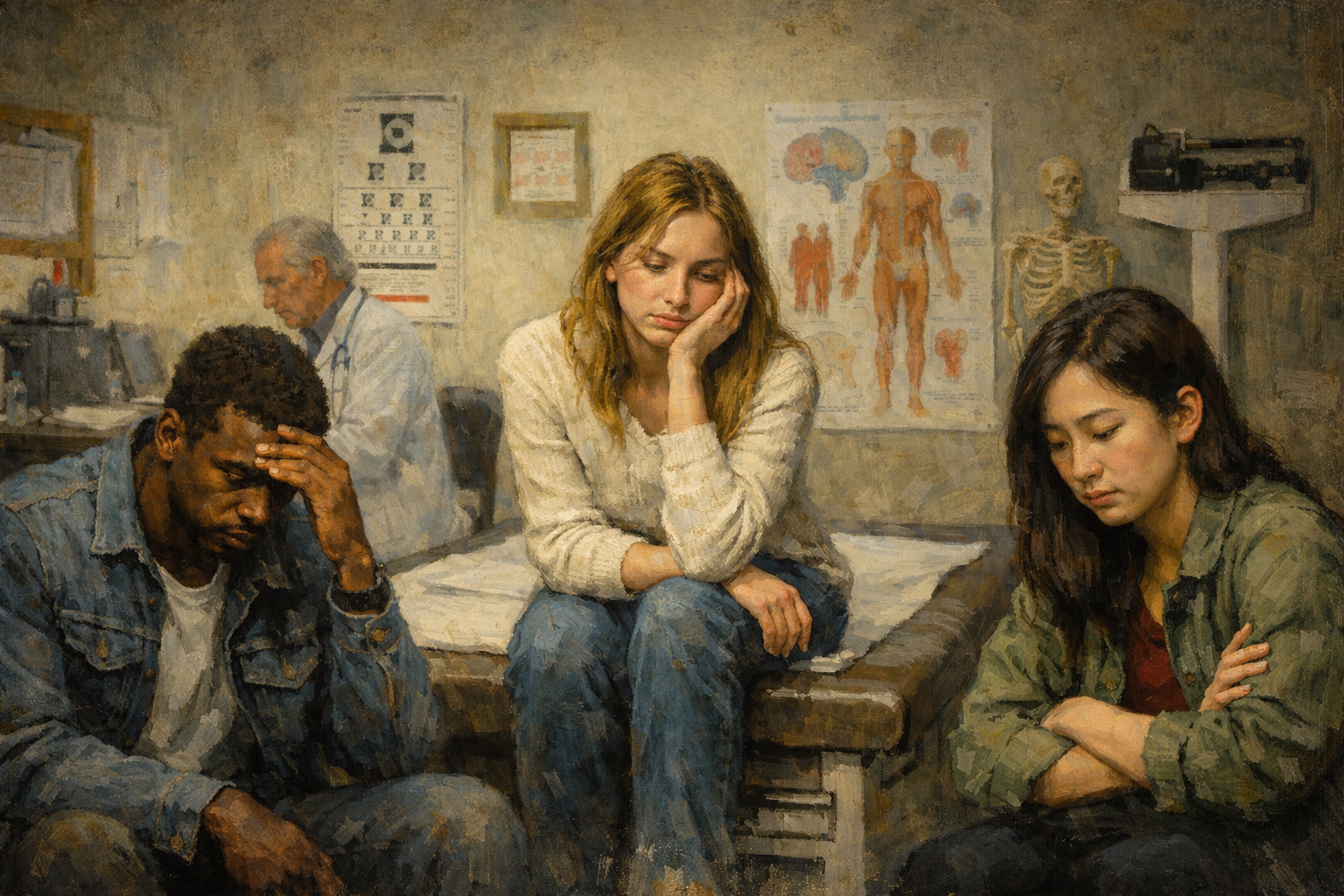

Anxiety does not look like an emergency. There are no sirens, no flashing lights, no dramatic collapses in the middle of the street. Instead, it looks like a normal Tuesday. It looks like answering emails while your chest feels tight. It looks like smiling in a meeting while your mind runs through ten worst case scenarios. That is what makes this crisis so dangerous. It hides in plain sight.
We have normalized feeling on edge. We call it stress. We call it hustle. We call it staying informed. But when a whole generation feels restless, tense, and unable to fully relax, we are not dealing with a personality trend. We are dealing with a health issue that is shaping how we live, work, and relate to each other.
This is not dramatic language. It is a sober observation. Anxiety has quietly become the background noise of modern life.
We Renamed It So We Would Not Have to Face It
One reason anxiety has spread so widely is that we softened its name. We say, “I am just stressed,” as if that makes it smaller. Stress sounds productive. Stress sounds like you care. Anxiety sounds fragile, and nobody wants that label.
But stress usually has a clear source and a clear ending. You study for the test, take it, and the stress drops. You finish the project, turn it in, and your body resets. Anxiety does not follow that clean pattern. It lingers long after the event is over. Sometimes it shows up when nothing obvious is wrong.
You can be on vacation and still feel it. You can be financially stable and still worry about losing everything. You can be loved and still fear rejection. That is not just stress. That is a nervous system that has forgotten how to power down.
When we refuse to call anxiety by its name, we delay doing anything meaningful about it.
Your Brain Is Trying to Protect You
Anxiety is not a character flaw. It is a biological response. Your brain is wired for survival, not comfort. Its job is to scan for threats and respond quickly.
When it senses danger, it activates the fight or flight system. Your heart beats faster. Your muscles tighten. Your breathing shifts. Blood moves toward the parts of your body that help you react. In a true emergency, this system can save your life.
The problem is that your brain does not clearly separate physical danger from social or financial threat. A harsh email can trigger the same internal alarm as a physical confrontation. Job uncertainty can feel, to your nervous system, like starvation is around the corner. Rejection can feel like exile.
So the alarm goes off.
And in today’s world, it rarely turns off.
We Built a World That Keeps the Alarm On
Let’s be honest. Modern life is not neutral for the nervous system. We live with constant information, constant comparison, and constant access. News cycles run all day. Phones buzz with updates. Social media feeds remind us what everyone else seems to be doing better.
That steady stream of input keeps the brain scanning. It keeps asking, “Is this a threat? Is this a problem? Am I falling behind?” Even if the danger is not physical, the brain reacts as if it might be.
Work culture adds another layer. Being busy is often worn like a badge of honor. Rest can feel lazy. Slowing down can feel risky. When productivity becomes identity, the cost of failure feels enormous.
This environment does not create anxiety out of thin air. But it does make it easier for anxiety to grow roots.

The High Functioning Mask
One reason anxiety has become the defining health crisis of our generation is that it hides behind competence. Many anxious people are high performers. They meet deadlines. They show up early. They double check details. On paper, they look fine.
Inside, it can be a different story. There may be racing thoughts before every presentation. There may be sleepless nights before big decisions. There may be a constant sense that one mistake could undo everything.
Society often rewards this hyper alert state. The anxious overachiever is praised for being driven and reliable. But when success is powered by fear, it comes at a cost. Chronic tension wears down the body and the mind.
Just because someone is succeeding does not mean they are well.
The Physical Toll We Ignore
Anxiety is not just mental chatter. It shows up in the body. Chronic headaches, tight shoulders, stomach issues, fatigue, and trouble sleeping are common companions. Many people visit doctors searching for answers, only to be told that their tests look normal.
Normal tests do not always mean a calm nervous system.
When stress hormones stay elevated for long periods, the body struggles to rest and repair. Digestion slows. Sleep becomes shallow. Muscles stay braced. Over time, this constant state of alertness can increase the risk of other health problems.
The body keeps a record, even when the mind tries to push through.
Ignoring anxiety does not make it disappear. It often just changes the way it shows up.
Our Kids Are Feeling It Too
If anxiety were limited to overworked adults, that would be concerning enough. But younger generations are showing signs of strain as well. Many children grow up in environments where performance pressure starts early. Grades, sports, and social image all carry weight.
Add digital exposure to global crises, social comparison, and nonstop commentary, and it becomes clear that young nervous systems are under pressure. A child complaining of stomach pain before school may not be avoiding math. They may be overwhelmed. A teenager withdrawing into their room may not be rebellious. They may be exhausted by the pressure to measure up.
We often rush to fix behavior before we understand what is driving it. When anxiety goes unnamed, it goes unaddressed.
This is not about labeling every worry as a disorder. It is about recognizing patterns that are becoming too common to dismiss.

Why Quick Fixes Fall Short
There is no shortage of advice for anxiety. Breathe deeply. Think positive. Light a candle. Take a bath. These suggestions are not useless. They can help in small moments.
But they do not solve structural problems.
You cannot out breathe a life that never slows down. You cannot journal your way out of a job that makes you feel unsafe. You cannot simply think positive when your nervous system is stuck in overdrive.
Real change often requires harder conversations. It may mean setting boundaries that feel uncomfortable at first. It may mean reducing exposure to constant news or social comparison. For some, it may mean therapy or medication. For others, it may mean reassessing goals that were never truly theirs to begin with.
Surface tools can calm symptoms. Structural shifts calm systems.
What If Anxiety Is a Signal?
Here is a perspective we do not hear often enough. What if anxiety is not just a malfunction, but a signal?
Signals point to something. Pain signals injury. Hunger signals the need for food. Anxiety may be signaling overload, misalignment, or unmet needs.
Instead of asking only how to eliminate anxiety, we might ask what it is trying to show us. Is your schedule unrealistic? Are you saying yes when you need to say no? Are you chasing approval at the cost of peace?
This approach does not romanticize anxiety. It does not suggest you should simply live with it. But it does remove some of the shame. If anxiety is a signal, then responding to it becomes an act of wisdom, not weakness.
And shame reduction alone can lower the intensity of anxious thoughts.
A Cultural Shift, Not Just a Personal One
When millions of people are struggling with anxiety, it is not just an individual problem. It is cultural. Workplaces may need to rethink expectations. Schools may need to reconsider how they measure success. Families may need to redefine what achievement really means.
Resilience is important. Personal responsibility matters. But no amount of personal strength can fully counteract an environment that constantly triggers alarm.
We need a world that supports steady nervous systems, not just impressive resumes.
That might sound idealistic. It is also practical. Calm minds think more clearly. Rested people make better decisions. Regulated nervous systems build healthier communities.

The Opportunity Inside the Crisis
The fact that anxiety is so widespread is troubling. It is also revealing. It shows us where pressure points exist. It shows us where systems may be failing. It shows us how much people are carrying quietly.
There is growing openness about mental health. Therapy is less stigmatized. Conversations are more honest. That is progress. But awareness without action changes little.
This generation has a choice. We can accept constant anxiety as the price of ambition and connectivity. Or we can decide that peace is not a luxury item.
The quiet emergency does not need sirens to be real. It needs attention.
And perhaps this will be the generation that finally gives it.
If something here resonated, don’t rush past it.
Growth rarely needs a dramatic overhaul. It needs a small, intentional pause and a better next step.
Join the Good Time To Shine newsletter for thoughtful reflections, practical tools, and a free guide designed to help you check in with your whole life, not just the loud parts.
No pressure. No noise. Just support that meets you where you are.
Subscribe and download the free guide.
One thoughtful step is enough for today.
Canty