
The Great Sleep Crisis Nobody Admits Out Loud
Everyone talks about how busy they are, how hard they’re working, how many emails they knocked out before breakfast. But almost nobody brags about sleeping well. Sleep has become the guilty pleasure of modern life, something you’re supposed to apologize for, like leaving work on time or taking a full lunch break. The irony is that rest, the one thing the body actively and constantly asks for, has become harder to get than the work it’s supposed to recover from. Between glowing screens, persistent stress, and a culture that equates exhaustion with ambition, quality sleep often feels like a battle already lost before bedtime even arrives.
Consider Maya, a lawyer in her early thirties. She’s sharp, disciplined, and powered by coffee at a rate her physician would find concerning. Most nights she collapses into bed around midnight with her phone still in her hand and her mind still processing the day. She tells herself she’ll catch up on sleep over the weekend. But Saturday arrives and her body feels like something hit it, and the catching up never quite happens the way she planned. Maya represents something a lot of people share but rarely say out loud: chronic exhaustion has become the default setting, and most of us have simply normalized it. The question worth asking is whether it has to be.
The appetite for sleep optimization did not appear randomly. People who had already learned to approach diet, fitness, and productivity with intention eventually turned that same attention toward rest. Sleep tracking, circadian rhythm adjustments, recovery technology, breath-work: entire industries grew up around the promise of fixing what ancestors did without a second thought. The irony in all of it is that trying to optimize sleep has, for many people, turned sleep into another item on the performance checklist. But the underlying search is real and worth taking seriously. Without quality sleep, nearly everything else, health, cognitive function, emotional regulation, and physical performance, degrades in ways that accumulate quickly.
Sleep Tracking: Numbers That Tell You You’re Tired
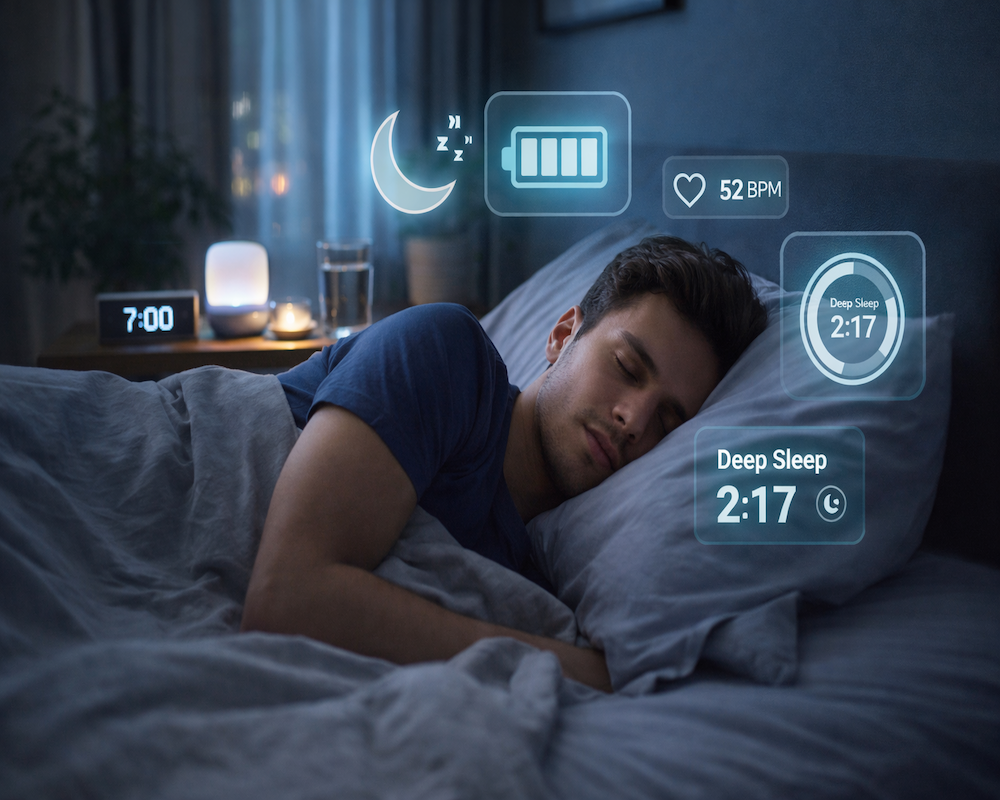
It started with step counters. Then heart rate monitors. Now sleep tracking has colonized wrists and nightstands across the country. Smartwatches and apps promise to decode your nights, showing you how many minutes you spent in light sleep, deep sleep, and REM, as if the quality of your dreams could be graded and filed. For some people, that data is genuinely clarifying. For others, it creates a new form of performance anxiety about a process that was never meant to be performed.
Jordan got a smartwatch for the holidays and spent the first few weeks fascinated by his sleep graphs. Then it shifted. On mornings when the watch told him he slept poorly, he spent the entire day dragging himself through tasks, convinced he was running on empty, even on days when he had actually felt fine before checking the data. He started sleeping worse because he was too busy worrying about whether he was sleeping correctly. That is the central paradox of sleep technology: the tools designed to improve rest can, when misapplied, become another source of the stress that disrupts it.
That said, tracking has legitimate value for people who need to see patterns rather than feel them. Devices can reveal the effects of late caffeine, screen exposure, and irregular schedules in concrete terms that make behavior change easier to motivate. The important distinction is between using data as a prompt for better habits versus using it as a report card that determines how you feel each morning. You do not ultimately need a chart to know whether you are rested. Your mood, your focus, and your patience are often more accurate indicators than anything a sensor measures.
Sleep Hygiene: Boring Habits That Actually Work
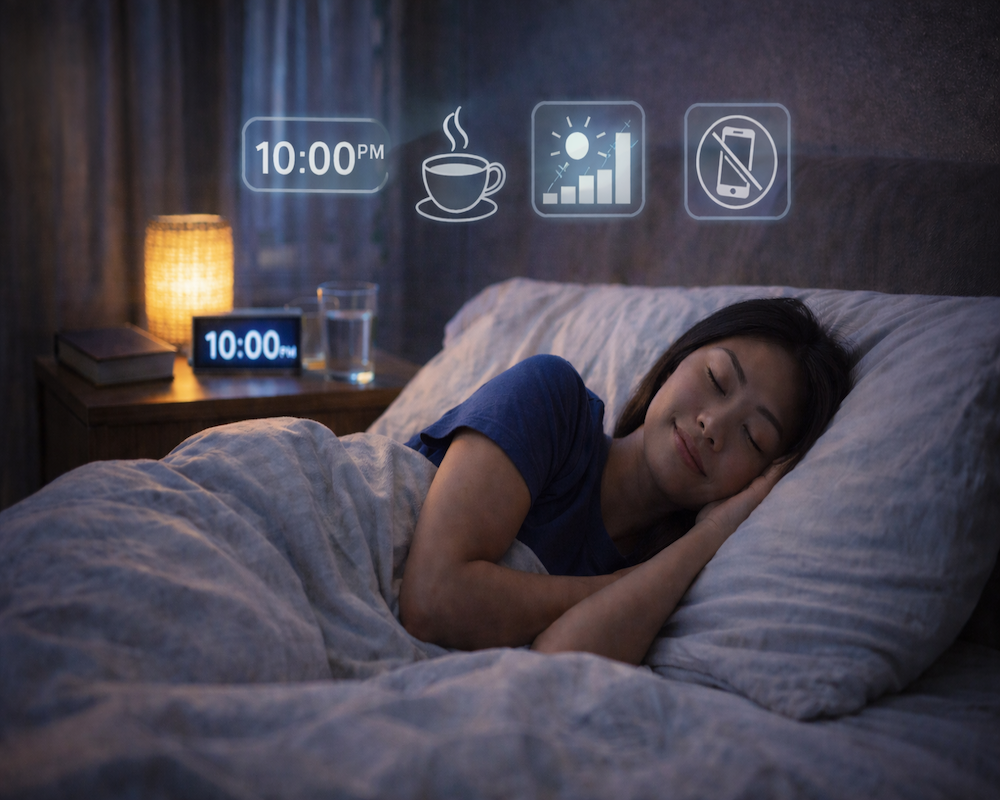
The phrase “sleep hygiene” sounds clinical enough to put you to sleep on its own, which may be the point. It refers to the collection of habits that either support or undermine your body’s ability to wind down and stay asleep. People want novel solutions, gadgets, supplements, or rituals with impressive names. The most consistent evidence, however, points to the unremarkable practices most people already know and persistently ignore: consistent sleep and wake times, a cool and dark room, no screens in the hour before bed, and limited caffeine after early afternoon.
Nina complained about insomnia for years and tried most of the popular remedies: melatonin at various doses, herbal teas with impressive claims on the label, lavender sprays for the pillow. Some helped slightly. None solved the problem. Her physician eventually suggested something less interesting: build a consistent wind-down routine and stop watching television in bed. Nina found this advice frustrating in its simplicity but tried it anyway. A month of dimming the lights earlier, turning screens off before ten, and reading actual paper pages before sleep produced more improvement than anything she had purchased. The boring habits were the ones that actually worked.
Sleep hygiene matters because the body runs on rhythm, not willpower. It thrives on predictability. When the schedule is consistent and the pre-sleep environment signals rest rather than stimulation, the biology cooperates more readily. Modern life works against this at nearly every turn: irregular schedules, bright screens that suppress melatonin production, and the ambient noise of constant connectivity all fragment the signal the body needs to shift into genuine rest. None of the solutions are glamorous. But very few things with real, lasting benefit are.
Circadian Rhythm Hacks: Dancing with Your Internal Clock
Your body has an internal clock that predates alarm clocks, shift work, and the concept of a nine-to-five schedule by a considerable margin. The circadian rhythm governs when you feel alert, when you feel sleepy, when your body temperature peaks, and when your cognitive function is sharpest. Ignore it, and you spend your days fighting your own biology. Work with it, and daily life requires noticeably less effort. The challenge is that contemporary schedules are largely built around convenience and institutional preference rather than biological timing.
Rafael is a committed night owl who spent years fighting early alarm clocks and losing badly. After learning about circadian rhythm research, he started making adjustments. Bright light exposure immediately after waking became non-negotiable, because light is the primary signal the brain uses to set its internal clock each day. He stopped drinking coffee after one in the afternoon. He scheduled his most demanding cognitive work for late morning and early afternoon, when his alertness naturally peaked, rather than trying to force focus during the early hours when his body had not yet fully shifted into gear. Mornings became less brutal without him transforming into a different kind of person.
Circadian alignment is not about becoming a morning person if you are not one. It is about understanding the pattern your body actually runs on and organizing your day around it as much as your circumstances allow. Late-night screen exposure, irregular meal timing, and inconsistent sleep schedules all send conflicting signals to the internal clock and make the body less efficient at everything. The biology here is not complicated. The cultural willingness to act on it is the harder problem.
Recovery Tech: When Rest Gets High-Tech and Weird
The recovery technology market has expanded well beyond sleep trackers. Infrared sauna blankets, cooling mattress pads, weighted blankets, breath-work apps, red-light devices, and guided relaxation programs all compete for the attention of people who have decided that rest is worth investing in. The claims range from well-supported to genuinely optimistic. The underlying impulse, taking recovery as seriously as performance, is sound even when specific products are not.
Carla runs marathons and treats her recovery protocol with the same intentionality she brings to her training plan. She uses an infrared sauna blanket several times a week, has structured her sleep environment carefully, and ends each night with a short breath-work session that she credits with reliably lowering her heart rate and easing her into sleep. Whether every element of her approach delivers measurable physiological benefit or whether some of it functions primarily through relaxation and ritual is hard to separate. What is clear is that she recovers well, performs consistently, and treats rest as an active practice rather than a passive collapse.
The risk in recovery technology is that it can turn the simple act of resting into another optimization project with its own checklist and performance metrics. When you need seven steps and three devices to wind down, the winding-down has become work. There is also the obvious issue of cost and access. Many of the most discussed recovery tools are priced for a narrow slice of the population, while the fundamentals, consistent sleep timing, a dark and cool room, limited late-night stimulation, are free. The cultural shift that really matters is not which technology people adopt. It is the recognition that rest is a legitimate and necessary investment, not a reward for finishing everything else.
Sleep Is Not Lazy. It Is Survival.
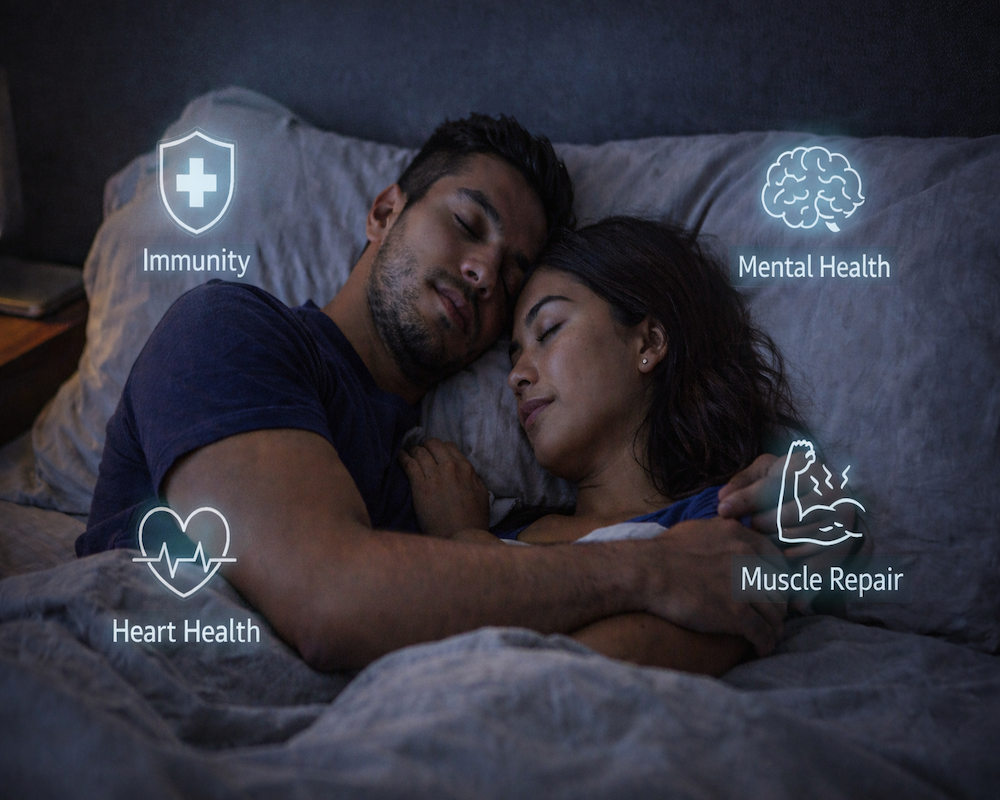
For too long, sleep was treated as optional. Something you cut back on to get ahead, something you would make up for later, as if the body kept a ledger that balanced on weekends. It does not work that way. The compounding effects of chronic sleep deprivation on cognitive function, immune health, emotional regulation, metabolic health, and cardiovascular risk are well documented. The cultural glorification of exhaustion has not made people more productive. It has made them less healthy and, in many cases, less capable at the work they sacrificed sleep to do.
Maya, Jordan, Nina, Rafael, and Carla represent the range of ways people are currently reckoning with sleep. The lawyer running on caffeine and optimism. The tracker who let numbers replace his own perception. The insomniac who discovered that consistency beat chemistry. The night owl who stopped fighting his biology. The athlete who made recovery a discipline. Their experiences reflect a broader shift: rest is finally being treated as what it has always been, a fundamental requirement of the human system, not a luxury for people with nothing important to do. Getting there, for most people, does not require expensive equipment. It requires the less exciting work of protecting sleep the way you protect other things that matter.
Call to Action
Sleep is one of the eight rooms in the Eight-Room Reset Guide, and it is often the one people are most reluctant to take seriously until something else breaks down because of it. If your sleep is consistently poor and you keep telling yourself you will deal with it later, later has a way of arriving as something less convenient.
The Eight-Room Reset Guide is a free resource that helps you see all eight areas of your well-being clearly, including your rest, so you can identify what is quietly asking for attention before it gets loud. No pressure. No protocol. Just an honest look at where you actually are.
Download the free guide at Good Time To Shine and start there.
Ronnie Canty | Good Time To Shine