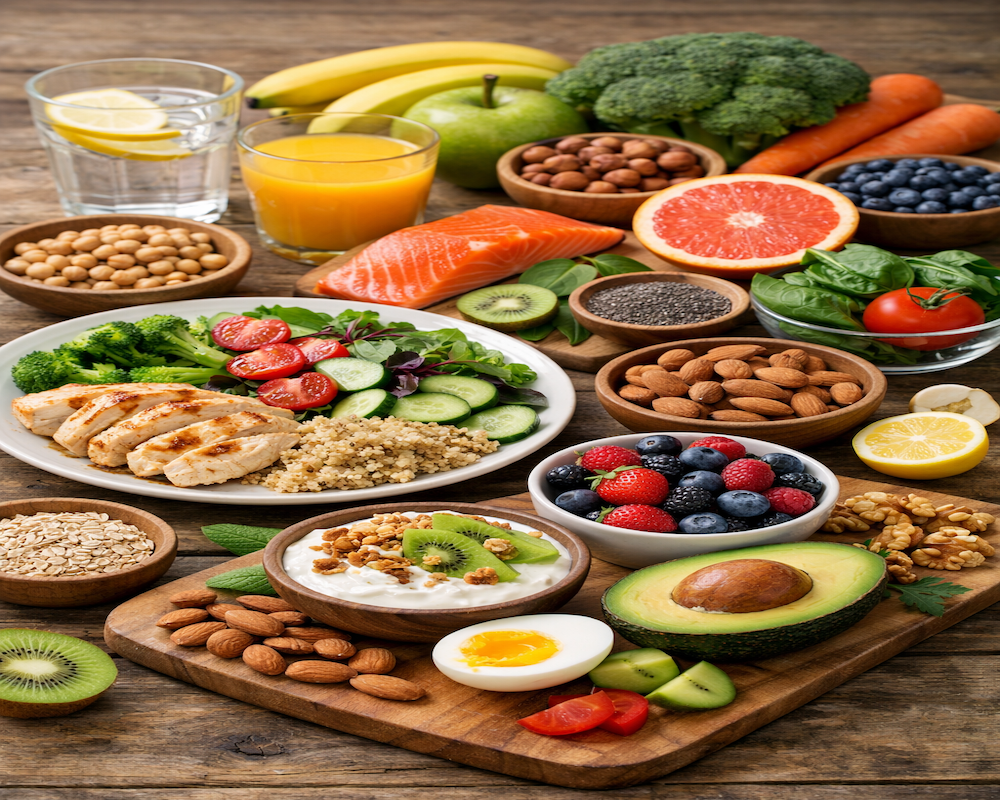
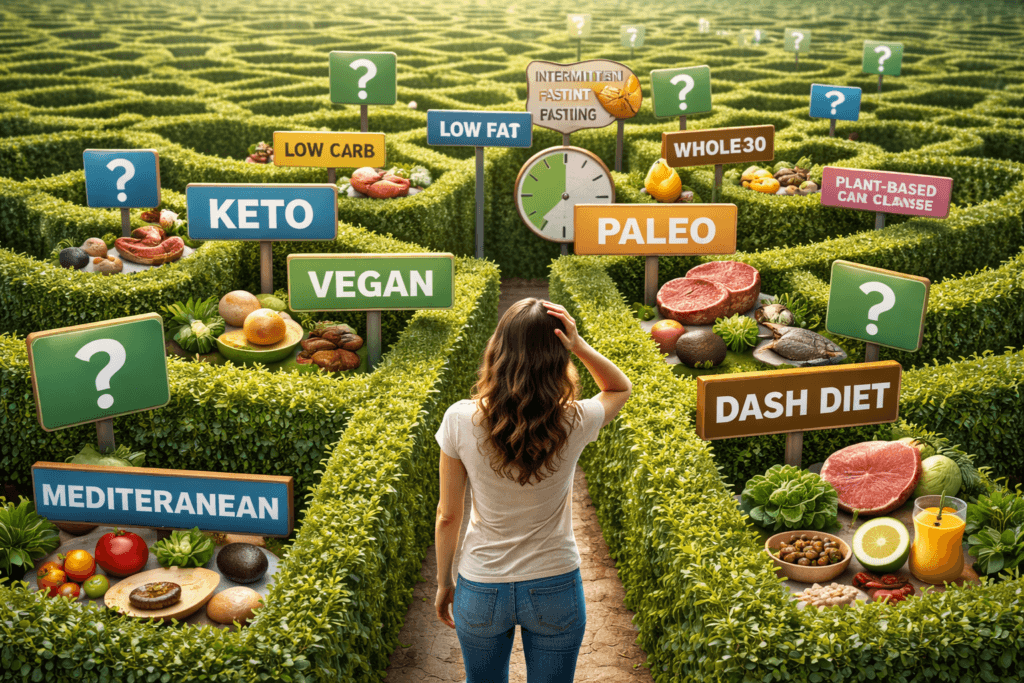
Keto, fasting, gut health, anti-inflammatory diets, micro-nutrient profiling — everyone wants a diet that “just for them.”
Introduction: The Diet Maze Everyone Pretends to Understand
Food used to be simple. You ate what was on the table, maybe complained about the broccoli, and moved on. Now it feels like every bite has to pass a quiz. Is it keto-approved? Will it spike your blood sugar? Does it have anti-inflammatory powers? Is it destroying your gut bacteria? You can’t just eat a sandwich anymore without a panel of experts in your head debating if the bread is basically poison. Welcome to the golden age of personalized nutrition, where everyone wants a diet crafted just for them, like a designer outfit for the stomach.
Take a look around. Some friend is fasting until noon and swears it changed their life. Another is counting every carb like it’s a mortal enemy. Someone else is spooning sauerkraut onto everything, chanting about probiotics. It’s funny, but it’s also telling. People are searching for answers, not just about how to lose weight, but how to feel better in their own skin. The diet conversation has shifted from “skinny jeans” to “how do I keep my brain sharp and my body functioning in twenty years?” That’s progress, even if it sometimes looks like chaos.
The hunger for personalization makes sense. Everyone’s body is different, so it’s no shock that one-size-fits-all diets flop. What works for a marathon runner doesn’t work for someone sitting at a desk all day. Yet with so much information, it’s easy to get overwhelmed. Are you eating for longevity? For energy? For mental clarity? Or just to stop feeling bloated after lunch? The diet world is noisy, confusing, and often contradictory. But buried under all the fads and hashtags is a real shift toward treating food as more than fuel. It’s medicine, mood stabilizer, and sometimes, enemy all at once.
Keto and Low-Carb: Bacon, Butter, and the Gospel of Fat
Keto isn’t just a diet—it’s a lifestyle that inspires fierce loyalty and equal amounts of eye rolls. On one side, you’ve got believers who swear by the holy trinity of bacon, butter, and avocados. On the other, skeptics who point out that maybe living on cheese and meat isn’t the picture of long-term health. Still, keto exploded because it tapped into something people desperately wanted: fast results and a sense of control.
Meet Dan, a forty-five-year-old dad who tried every diet since Atkins. He started keto half-skeptical, half-hopeful. The first week was brutal. Headaches, fatigue, what the internet lovingly calls “keto flu.” But then the pounds dropped, his energy spiked, and suddenly he was that guy telling coworkers to ditch their bagels. For him, keto was a revelation. For his wife, not so much—she got tired of greasy pans and the smell of cooked sausage at 6 a.m.
Keto is effective for some because it forces the body into ketosis, burning fat instead of carbs. The downside is sustainability. It’s hard to live in a carb-obsessed world while avoiding bread like it’s radioactive. Go to a birthday party and try saying no to cake for the fifth time—it feels less like a diet and more like social exile. That’s where the cracks show. Keto works until it doesn’t, or until real life barges in with a plate of pasta.
Still, the rise of keto showed us that fat isn’t the villain it was made out to be in the 90s. The pendulum swung hard, and while the truth lies somewhere between “butter cures everything” and “fat kills you,” keto made people rethink old nutrition myths. And sometimes shaking the table is what sparks new conversations about what food actually does to our bodies.
Fasting: Skipping Meals with Fancy Branding
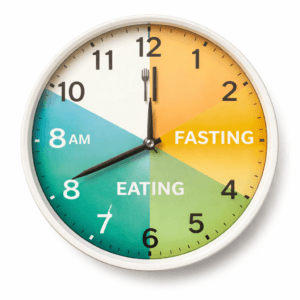
Intermittent fasting sounds edgy and scientific, but really, it’s skipping breakfast dressed up in a lab coat. The idea is simple: limit eating to certain windows, let your body rest, and tap into fat-burning magic. It’s not new—religions have used fasting for centuries—but in modern times it became the wellness hack everyone swears by.
Take Leila, a twenty-nine-year-old graphic designer. She used to start her mornings with bagels and coffee that left her jittery by ten. Then she tried fasting, eating only between noon and 8 p.m. The first week she felt cranky, snapping at her coworkers like a caffeine-deprived gremlin. But by week three, she swore she had more energy, clearer skin, and a sharper mind. Skipping breakfast became less about weight loss and more about control—her day didn’t revolve around constant snacking.
Critics argue that fasting isn’t magical, it just reduces calorie intake. But the appeal isn’t math—it’s simplicity. No measuring, no complicated meal prep, just a clock telling you when to eat. In a world where everything feels overwhelming, fasting is refreshingly minimal. The downside? Social life suffers. Try explaining to your grandmother that you can’t eat her pancakes because your “window” doesn’t open until noon. She’ll look at you like you joined a cult.
Fasting highlights a bigger truth: people crave structure. Food choices feel endless, but time limits cut through the noise. Whether it’s truly superior or just a clever trick, fasting works for many because it creates boundaries in a world where willpower is stretched thin. Like all diets, it’s not about the method as much as the meaning people attach to it. For Leila, it wasn’t just not eating—it was finally feeling in charge.
Gut Health: The Billion Bacteria Inside You
Once upon a time, people didn’t talk about their intestines at dinner parties. Now everyone is comparing probiotics like they’re wine collections. Gut health is the shiny new frontier, promising solutions for everything from digestion to mood to immunity. Apparently, the bacteria living inside you are the true influencers.
Consider Miguel, who battled stomach issues for years. Doctors gave him pills, but nothing worked long-term. Then he stumbled on the gut health craze. He started eating yogurt, sipping kombucha, and experimenting with fiber-rich foods. Slowly, his stomach calmed down. He felt lighter, slept better, and even noticed his anxiety shrinking. Whether science explains it all or not, Miguel swears his gut makeover changed his life.
The gut-brain connection is fascinating. Scientists have found links between microbiome balance and mental health, hinting that what we eat might literally shape our moods. No wonder people are popping probiotics and obsessing over fermented foods. But like all trends, the marketing machine got hold of it. Now every snack claims to be “gut-friendly,” from cereal to candy bars. Suddenly, taking care of your bacteria is less about health and more about shopping carts.
The problem is, gut health isn’t a one-size-fits-all. What helps Miguel might make someone else feel worse. That’s the messy beauty of personalization. It forces people to experiment, to listen to their bodies instead of chasing generic rules. And maybe that’s the real lesson gut health teaches: we’re ecosystems, not machines. Treating food as fuel is too simple. It’s about feeding trillions of tiny passengers who, apparently, run the show.
Anti-Inflammatory and Micronutrient Profiling: The Detective Work of Diets
Inflammation sounds like something that happens to a sprained ankle, but nutrition turned it into a buzzword. Chronic inflammation is blamed for everything from fatigue to heart disease. Enter anti-inflammatory diets, promising relief through colorful plates of salmon, leafy greens, and turmeric. It’s less “eat less, weigh less” and more “eat smarter, live longer.”
Take Erin, a mom of three who constantly felt achy and tired. She tried every quick-fix diet, but nothing lasted. A doctor suggested she focus on anti-inflammatory foods. At first she rolled her eyes—another set of rules. But when she swapped processed snacks for nuts and added more vegetables, the difference was real. She had more energy to chase her kids, and her brain fog started to lift. It wasn’t glamorous, but it was sustainable.
Micronutrient profiling takes things a step further. Instead of broad categories, it zooms in on the exact vitamins and minerals your body might lack. Think of it like bloodwork meets meal planning. Personalized supplements and customized diet plans now claim to fix deficiencies before they become problems. It’s high-tech, almost sci-fi, and appealing for people who love the idea of food as medicine.
Of course, it’s also expensive. Not everyone can afford genetic testing or personalized nutrition coaches. And that’s the tricky part—wellness often caters to people with disposable income. The irony is, many of the healthiest foods are simple, old-fashioned staples like beans, fruits, and whole grains. But micronutrient profiling taps into the fantasy of precision, the hope that if we just dial in the right combination, we’ll unlock the secret to feeling perfect. It’s seductive detective work, even if the jury’s still out on how much of it we truly need.
Conclusion: Chasing the Perfect Plate
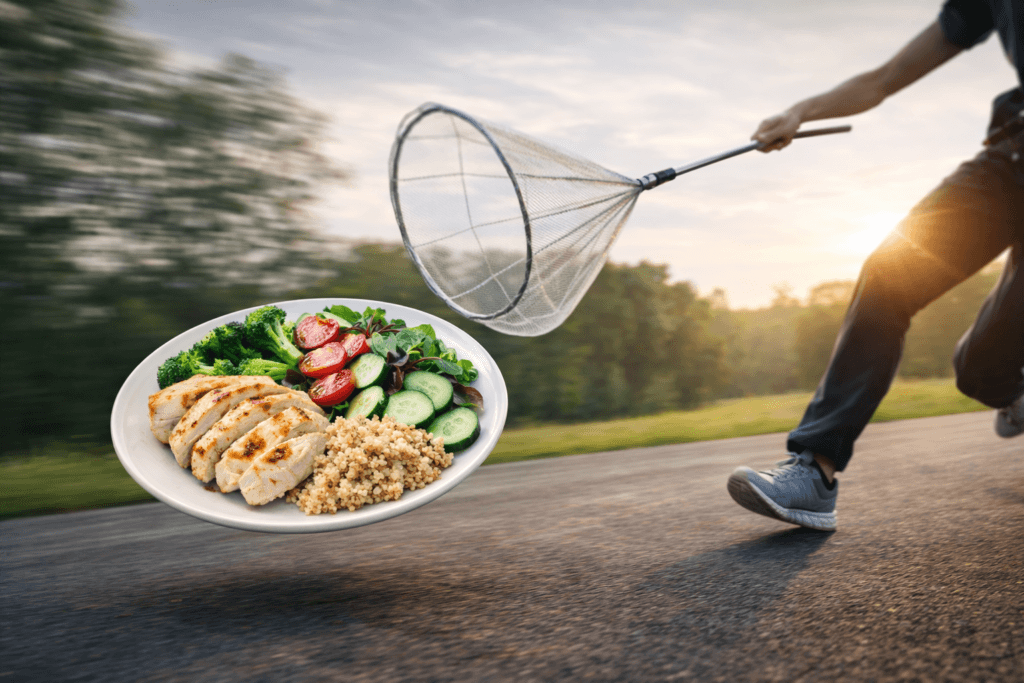
Nutrition today feels like a giant experiment, and we’re all the guinea pigs. Keto, fasting, gut health, anti-inflammatory diets, micronutrient profiling—they all reflect the same desire: to find a way of eating that doesn’t just shrink the waistline, but improves life. People want to feel energized, clear-headed, pain-free, and maybe even extend their years on this planet. Food is no longer just survival. It’s strategy.
The challenge is cutting through the noise. Every diet has success stories, failures, and loud opinions. What works for Dan or Leila or Miguel might not work for you. And that’s the real takeaway. Personalization means giving yourself permission to experiment, to notice how food actually makes you feel, not how it looks on Instagram. It means less obsessing about what’s trendy and more paying attention to the signals your body sends.
There’s something oddly hopeful about this shift. Instead of blindly following rigid rules, people are learning to take ownership of their nutrition. It may look messy—too many hashtags, too many debates—but beneath it all is a genuine hunger for better living. Maybe the perfect diet doesn’t exist. Maybe it’s not about perfection at all. Maybe it’s about finding the version that lets you wake up with energy, laugh through the day, and enjoy dinner without guilt.
At the end of the day, food should be more than math or morality. It should be a source of joy, connection, and fuel that keeps you going. The personalized nutrition movement may still be young, but its message is timeless: listen to your body. It’s been trying to talk to you all along.
If something here resonated, don’t rush past it.
Growth rarely needs a dramatic overhaul. It needs a small, intentional pause and a better next step.
Join the Good Time To Shine newsletter for thoughtful reflections, practical tools, and a free guide designed to help you check in with your whole life, not just the loud parts.
No pressure. No noise. Just support that meets you where you are.
Subscribe below and download the free guide.
One thoughtful step is enough for today.
Canty