Sleep tracking, sleep hygiene, circadian rhythm hacks, recovery tech (infrared, breathwork) — because rest is harder than work.

Introduction: The Great Sleep Crisis Nobody Admits Out Loud
Everyone talks about how busy they are, how hard they’re working, how many emails they’ve answered before breakfast. But few brag about sleeping well. In fact, sleep has become the guilty pleasure of modern life, something you’re supposed to apologize for, like binge-watching a reality show. The irony is that rest, the one thing our bodies beg us for, has become harder than work itself. Between glowing screens, endless stress, and the pressure to always be “on,” sleep often feels like a battle we’re destined to lose.
Consider Maya, a lawyer in her early thirties. She’s sharp, hardworking, and powered by coffee. Most nights she collapses into bed around midnight, phone still in hand, brain still buzzing. She tells herself she’ll catch up on sleep over the weekend. But Saturday rolls around and her body feels like it’s been hit by a truck. She’s proof of a truth many people share but rarely say out loud: being exhausted is normal now. But should it be?
The fascination with sleep optimization didn’t come from nowhere. People realized they could hack their diets, hack their workouts, even hack their productivity. But hacking rest? That’s the frontier everyone wants to conquer. Sleep tracking, circadian rhythm tricks, recovery gadgets—entire industries popped up promising to fix the thing our ancestors did naturally. The joke is, in trying to optimize sleep, we’ve made it into another job. Yet at the same time, the search is real. Because deep down, everyone knows that without good sleep, everything else—health, work, relationships—crumbles. And while workaholics wear exhaustion as a badge of honor, the smarter prize might be a solid eight hours.
Sleep Tracking: Numbers That Tell You You’re Tired
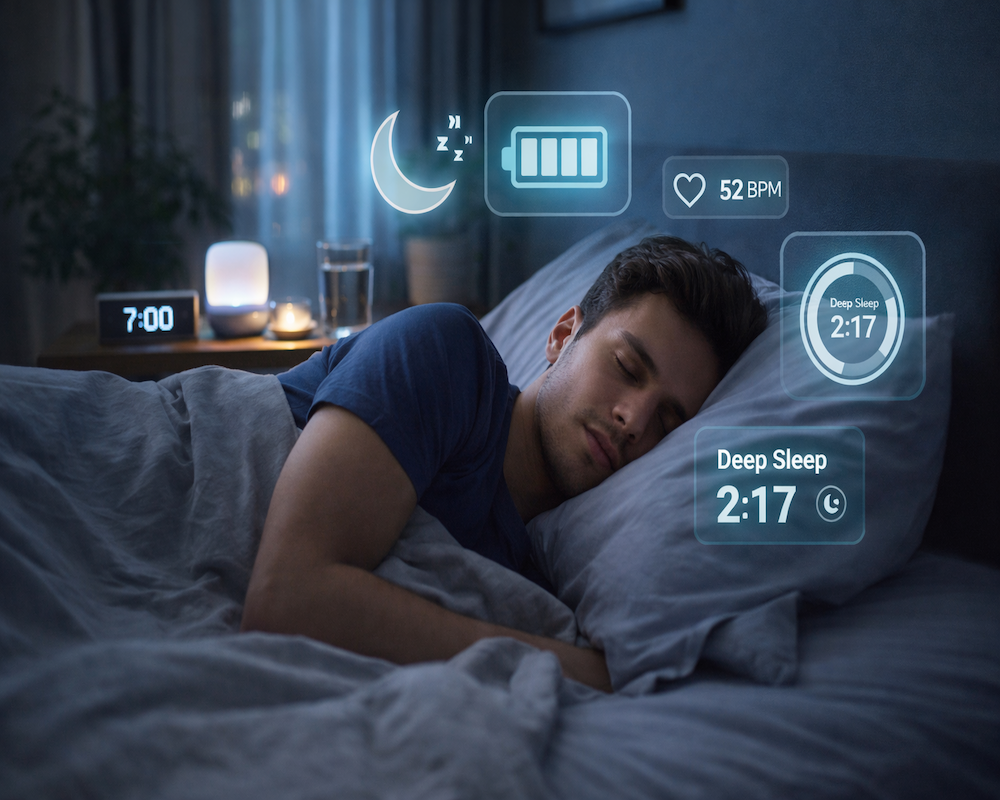
It started with step counters. Then heart rate monitors. And now, sleep tracking has taken over wrists and nightstands everywhere. Smartwatches and apps promise to decode your nights, showing you how many minutes you spent in light sleep, deep sleep, and REM, as if your dreams could be graded like homework. For some, this data is empowering. For others, it’s just another reason to feel guilty.
Take Jordan, who got a sleek new smartwatch for Christmas. At first, he loved waking up to a graph of his sleep. But then it turned into an obsession. If his watch told him he slept poorly, he spent the whole day dragging his feet, convinced he was exhausted—even on mornings when he felt fine. Eventually, Jordan realized he was sleeping worse because he was too busy worrying about how well he was sleeping. It’s the paradox of sleep tech: the very tools meant to help can sometimes backfire.
Still, tracking has value. For people with sleep disorders, these devices can highlight patterns they never noticed. They reveal the nights ruined by late caffeine or glowing screens. They give clues about how stress shows up in the body. But the danger is forgetting that numbers aren’t the full story. Sleep isn’t just a score. It’s about how you feel when the alarm rings, how your brain works mid-afternoon, how patient you are with your kids. Technology can offer insights, but at the end of the day, you don’t need a chart to know if you’re cranky from lack of rest. Sometimes your mood is the best sleep tracker you’ll ever own.
Sleep Hygiene: Boring Habits That Actually Work
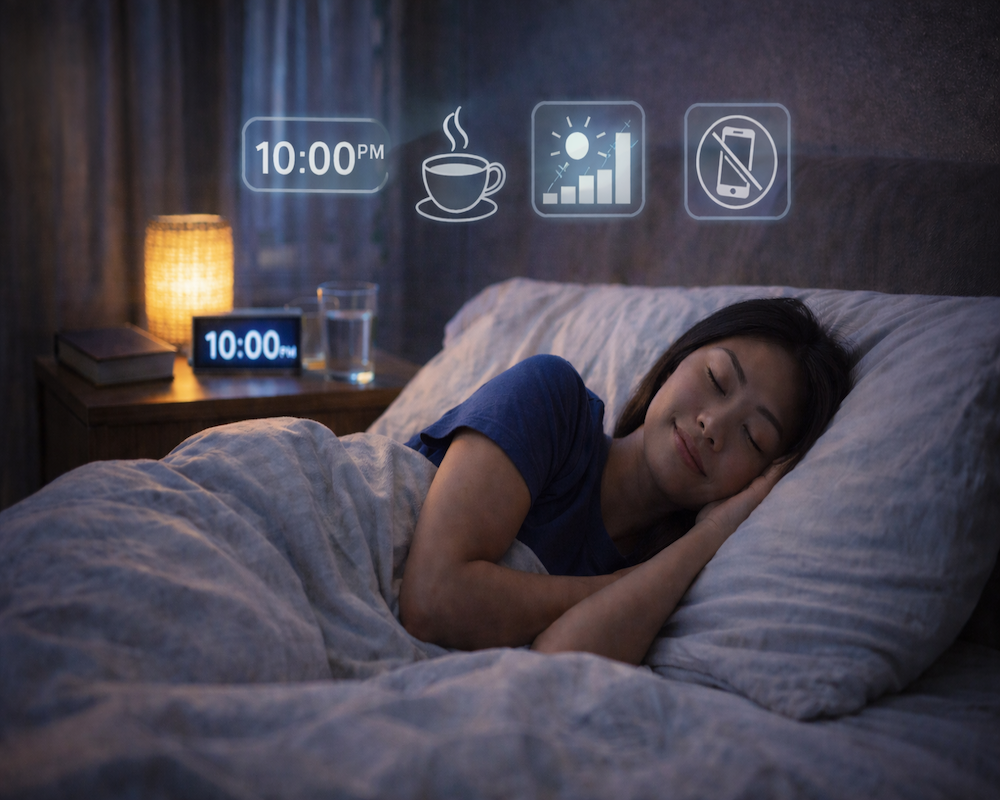
The phrase “sleep hygiene” sounds clinical, like washing your hands before bed. But it’s really just the set of habits that either sabotage or support your rest. People want flashy fixes, like gadgets or supplements, but often the biggest improvements come from the dull stuff your grandmother already told you: go to bed at the same time, keep your room dark, avoid late-night coffee. The problem is, boring habits don’t sell as well as futuristic sleep pods.
Consider Nina, who complained for years about insomnia. She tried melatonin, fancy teas, and even lavender sprays. Nothing worked. Finally, her doctor suggested she ditch her late-night TV habit and create a bedtime routine. Nina rolled her eyes, but after a month of dimming the lights, turning off screens an hour early, and reading before bed, she noticed a shift. She wasn’t sleeping like a rock every night, but she wasn’t staring at the ceiling until 3 a.m. either. Turns out, discipline worked better than potions.
Sleep hygiene matters because the body craves rhythm. It likes predictability. Modern life, with its irregular schedules and bright screens, confuses that rhythm. People brag about scrolling TikTok until 2 a.m., but then wonder why they feel hungover without drinking. Hygiene isn’t glamorous, but it’s effective. Just like brushing your teeth doesn’t make headlines, maintaining a sleep routine won’t impress your friends. But both save you from long-term damage. Sometimes the unexciting advice is the stuff that actually changes your life. And sleep is one of those areas where small, boring changes beat expensive gimmicks every time.
Circadian Rhythm Hacks: Dancing with Your Internal Clock
Your body has an internal clock, and it’s far bossier than you think. The circadian rhythm controls when you feel sleepy, alert, and everything in between. Ignore it, and you’ll feel like you’re dragging an anchor through your day. Work with it, and life feels smoother. The problem? Society doesn’t always line up with your clock. Try telling your boss you can’t make the 8 a.m. meeting because your rhythm says you’re useless before ten. Good luck.
Still, there are hacks. Meet Rafael, a night owl who always struggled with early mornings. He discovered that exposing himself to bright light right after waking helped reset his rhythm. He swapped blackout curtains for morning sunshine, stopped drinking coffee after lunch, and scheduled workouts in the afternoon when his energy peaked. Slowly, mornings stopped feeling like torture. He didn’t transform into a morning person, but he learned to stop fighting his biology.
Circadian hacking is about aligning with your natural patterns instead of bulldozing through them. It means noticing when you feel sharpest and scheduling big tasks then. It means respecting the fact that screens at midnight trick your brain into thinking it’s noon. It means remembering that caffeine isn’t harmless when you’re still buzzing at midnight. Science keeps confirming what common sense already knew: your body isn’t a machine you can run 24/7. It has rhythms, and ignoring them comes at a price. The more you listen to your clock, the less you’ll feel like you’re swimming against the current every single day.
Recovery Tech: When Rest Gets High-Tech and Weird
In the quest for better rest, technology hasn’t stopped at tracking. Now there’s a booming market of recovery gadgets, from infrared blankets to breathwork apps to fancy mattresses that cool or heat your body on command. It’s sleep turned into a tech arms race. Some people swear by it. Others laugh at the idea of needing gadgets for something humans did fine for thousands of years. The truth lies somewhere in the middle.
Take Carla, a marathon runner who invests in recovery tech like some people invest in handbags. She uses an infrared sauna blanket three times a week, swears by her weighted blanket, and falls asleep to guided breathwork sessions on her phone. For her, it’s not indulgence—it’s performance. The better she recovers, the faster she runs. Sleep optimization has become part of her training plan.
The danger, of course, is turning rest into another chore. When you need a checklist of gadgets to wind down, relaxation starts to feel like work. And not everyone can afford a thousand-dollar mattress or high-end wearables. Yet recovery tech reflects a deeper truth: people are finally taking rest seriously. They’re willing to invest in it, talk about it, and experiment with it. Whether or not infrared blankets are miracle workers, the fact that people care enough to try them shows that sleep is no longer dismissed as “just downtime.” It’s health, performance, and survival rolled into one. And if technology helps people respect it, maybe that’s worth the hype.
Conclusion: Sleep Isn’t Lazy, It’s Survival
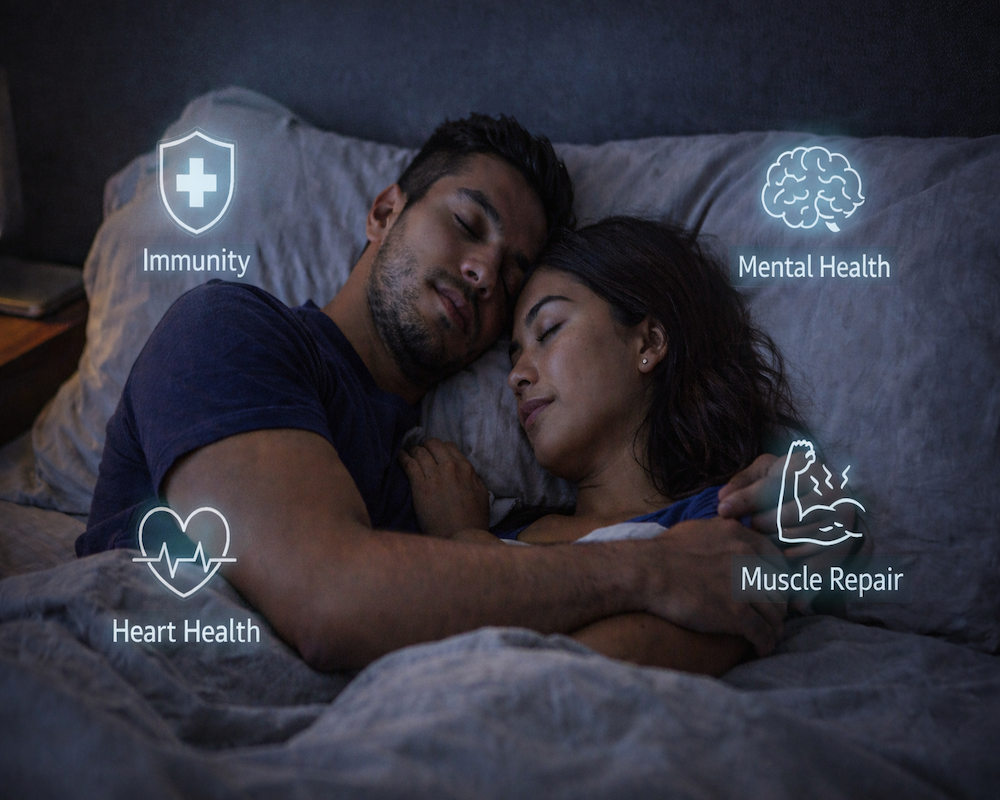
For too long, sleep was treated like an optional extra. Something you cut back on to get ahead, something you’d “make up” for later, as if the body worked like a bank account. Now we’re paying the price. Burnout, brain fog, and endless exhaustion aren’t badges of honor. They’re red flags waving in our faces. The movement toward sleep optimization and recovery is messy, full of fads, but at its heart is something revolutionary: people admitting that rest matters as much as work.
Maya, Jordan, Nina, Rafael, and Carla represent the spectrum. The lawyer trying to survive on coffee. The smartwatch addict who let numbers dictate his day. The insomniac who discovered boring routines work better than magic sprays. The night owl who hacked his rhythm instead of fighting it. The runner who treats recovery as sacred as training. Their stories show that sleep isn’t just personal—it’s cultural. It reflects our values, our insecurities, and our stubborn refusal to slow down.
Maybe the real optimization isn’t another gadget or chart. Maybe it’s a cultural shift that redefines rest as strength, not weakness. Imagine a world where people bragged about how refreshed they felt, not how little they slept. Where businesses rewarded balance instead of burnout. Where getting eight hours wasn’t seen as indulgence, but as discipline. That world isn’t far off if people keep treating sleep like the foundation it is. Because in the end, you can’t hustle your way out of exhaustion. You can only rest. And the sooner we stop glorifying sleeplessness, the sooner we’ll realize that recovery isn’t a luxury. It’s survival, plain and simple.
If something here resonated, don’t rush past it.
Growth rarely needs a dramatic overhaul. It needs a small, intentional pause and a better next step.
Join the Good Time To Shine newsletter for thoughtful reflections, practical tools, and a free guide designed to help you check in with your whole life, not just the loud parts.
No pressure. No noise. Just support that meets you where you are.
Subscribe and download the free guide.
One thoughtful step is enough for today.
Canty